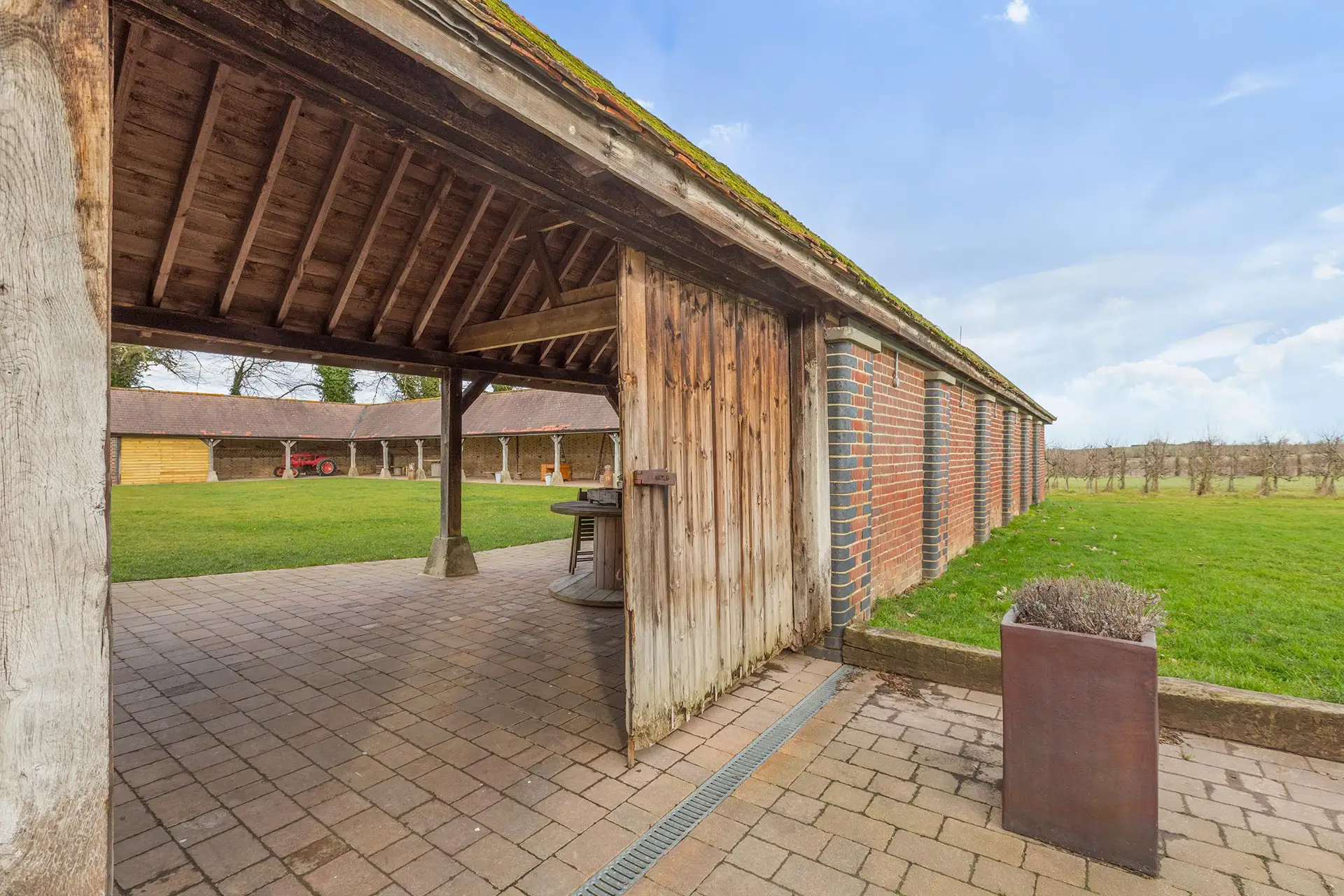
Pre-Application Planning Advice: Is It Worth It?

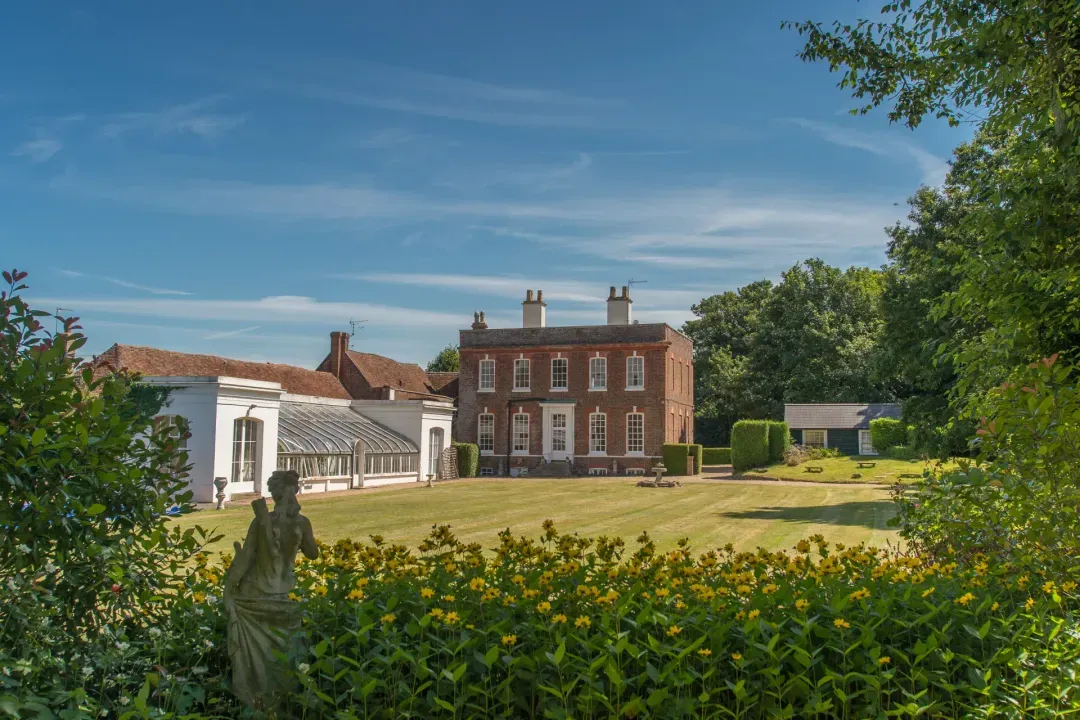
What Is Pre-Application Planning Advice?
Pre-application planning advice is a service offered by most local planning authorities before you submit a planning application.
It allows you to discuss your proposal with a planning officer and receive feedback on any potential issues before investing time and money in a full application. Depending on the project, you may also receive advice from a conservation officer or other specialists, such as highways, tree, ecology, and flood risk officers.
The process usually involves submitting information about your plans, followed by written feedback, a meeting, a site visit, or a combination of these. The council will then explain any planning issues and recommend changes where necessary.
Pre-application planning advice is optional and not legally binding.
In this article, planning consultant James Clague explains the benefits and drawbacks of pre-application planning advice and whether it is worth it for your project.
When Should You Seek Pre-Application Planning Advice?
The government encourages applicants and local planning authorities to engage at the pre-application stage, especially for more complex proposals.
You may want to seek pre-application planning advice if you are planning:
A Large House Extension
Large extensions often raise questions about size, design, privacy, and their impact on neighbouring properties. Early feedback can help you avoid problems later.
A New Build Home
If you want to build a new house, pre-application advice can help you understand how local planning policies apply to the site and whether your proposal is likely to gain support.
Changes To A Listed Building
Most work to a listed building requires listed building consent. A pre-application meeting can help you understand what changes may be acceptable before you prepare detailed plans.
Development In A Conservation Area
Conservation areas have additional planning controls. Pre-application advice can help you understand how these restrictions may affect your proposal.
A Complex Or Sensitive Site
Pre-application advice is often worthwhile if your site has issues such as flood risk, protected trees, access constraints, ecology concerns, or nearby neighbours.
The Benefits Of Pre-Application Planning Advice
Identify Potential Problems Early
A pre-application meeting can highlight any potential planning issues with your scheme. Planning officers may identify obstacles relating to listed buildings, neighbouring properties, trees, highways, flood risk, and other planning matters. This gives you an opportunity to address any concerns before progressing further.
Save Time And Money
Identifying problems early can reduce the risk of delays, redesigns, and unsuccessful planning applications. In many cases, this can save both time and money.
Provide Early Feedback
Pre-application advice can provide an early indication of how the local planning authority is likely to view your proposal.
Understand What Supporting Information Is Required
For some projects, the council may ask specialists to provide advice on potential issues. Seeking their feedback early allows you to find out which specialist consultants, surveys, reports, or supporting documents may be required.
For example, you may be advised to commission a heritage consultant, ecologist, or flood risk specialist, or to submit a Heritage Statement, ecological survey, flood risk assessment, or other specialist reports.
Improve The Quality Of Your Proposal
Pre-application advice can help you refine your proposal before submission, which can make your application stronger.
Demonstrate A Willingness To Work With The Council
A pre-application meeting shows that you are taking the planning process seriously and are willing to consider feedback before submitting an application. This can help create a more constructive dialogue and reduce misunderstandings later in the process. It also allows planning officers to understand your objectives.
Increase The Likelihood Of Success
While pre-application advice does not guarantee planning permission, it can help you address potential concerns before submitting an application, which may improve your chances of success.
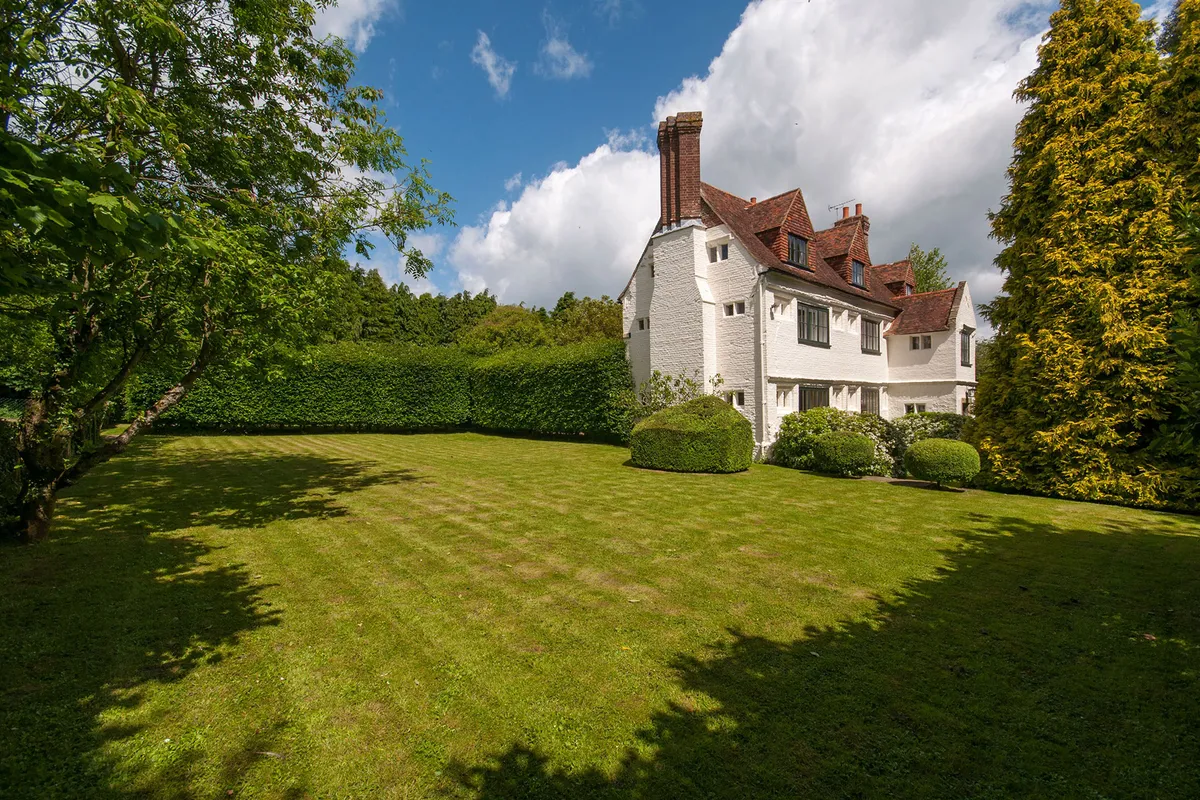
The Drawbacks Of Pre-Application Planning Advice
There Is An Additional Cost
Most councils charge a fee for pre-application planning advice. The cost varies between local authorities and depends on the size and complexity of the proposal.
It Can Delay Your Application
The pre-application process takes time. If you need a decision quickly, waiting for a meeting and written feedback may delay the submission of your planning application.
The Advice Is Not Binding
Pre-application advice is informal and does not guarantee planning permission. The council may reach a different conclusion when it assesses a formal application.
Design Changes May Be Required
The council may suggest changes to your proposal before supporting it. While this can improve the chances of success, it may require additional design work and revisions to your plans.
Planning Officers Can Change
The planning officer who provides pre-application advice may not be the same person who assesses your planning application. Different officers can sometimes have slightly different views on a proposal, which is one reason why pre-application advice cannot guarantee planning permission.
How Much Does Pre-Application Planning Advice Cost?
The cost of pre-application planning advice varies between local councils. Each local planning authority sets its own fees, so there is no standard charge across the UK.
Fees also vary depending on the type and size of the project. For example, a house extension will usually cost less than a new build development or a commercial scheme.
The level of service can also differ between councils. Some councils provide written advice only, while others offer meetings, site visits, or a combination of both.
You can usually find current pre-application planning fees on your local planning authority’s website. If you’re unsure whether pre-application advice is worthwhile for your project, an architect or planning consultant can help you decide.
What Happens During A Pre-Application Meeting?
A pre-application meeting usually begins with a discussion of your proposal and the planning issues that may affect it.
Depending on the project, the council may review drawings, site photographs, sketches, planning history, and supporting information. A planning officer may also visit the site or arrange a meeting to discuss the proposal in more detail.
After the meeting, the council will normally provide written feedback outlining any concerns, relevant planning policies, and recommendations. This can help you decide whether to proceed with the proposal or make changes before submitting a planning application.
Need Advice On Your Project?
Whether you’re planning a house extension, a new build home, work to a listed building, or development in a conservation area, our team can help.
At James Clague Architects, we regularly prepare pre-application enquiries for clients across Kent, Sussex and the South East. We can help you assess the potential of your site, prepare the necessary drawings and documents, and manage the planning process from start to finish.
If you would like to discuss your project, please contact our team to arrange an initial consultation.
Frequently Asked Questions
Is pre-application planning advice free?
Usually not. Most local planning authorities charge a fee for pre-application planning advice, although the cost varies between councils and project types.
Is pre-application advice binding?
No. Pre-application advice is informal and does not bind the council to a future decision. While officers will usually take previous advice into account, the final decision will be made when the formal planning application is assessed.
Does pre-application advice guarantee planning permission?
No. While pre-application advice can help improve a proposal and identify potential issues, the council will make its final decision when it assesses the formal planning application.
How long does pre-application planning advice take?
Timescales vary between councils. Some local authorities provide advice within a few weeks, while others may take longer depending on workload and the complexity of the proposal.
Can neighbours comment on a pre-application proposal?
Not usually. Unlike a planning application, the pre-application process is generally private and does not involve a formal public consultation. Neighbours normally have the opportunity to comment once a planning application has been submitted.
Quick Answers
Is pre-application planning advice worth it?
In many cases, yes. Pre-application advice can help identify potential issues early, improve the quality of a proposal, and reduce the risk of delays or costly changes later in the process.
What is pre-application planning advice?
Pre-application planning advice is a service offered by local planning authorities before you submit a planning application. It provides early feedback on your proposal and any potential planning issues.
When should you seek pre-application planning advice?
Pre-application advice is often worthwhile for large house extensions, new build homes, listed buildings, conservation areas, and complex or sensitive sites.
How much does pre-application planning advice cost?
Fees vary between councils and project types. Most local planning authorities publish their pre-application planning fees on their website.
We offer a free consultation to help assess what you're trying to achieve, how we can help and explain the process.
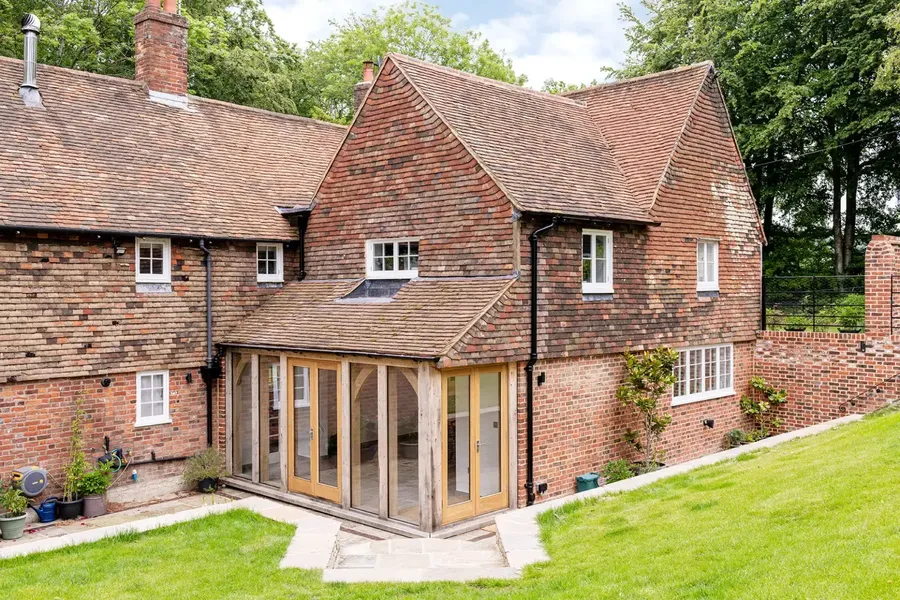
Is Renovating A Listed Building Worth It?
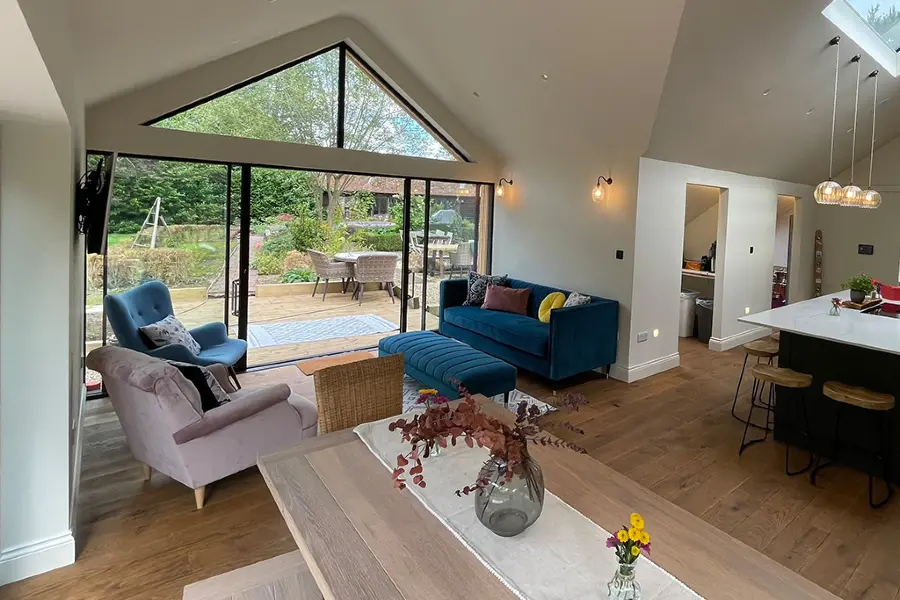
Listed Building Extension Ideas and Inspiration
Our team of specialist architects offer a completely free and no-obligation telephone consultation to discuss your project, explain the process and how we can help.