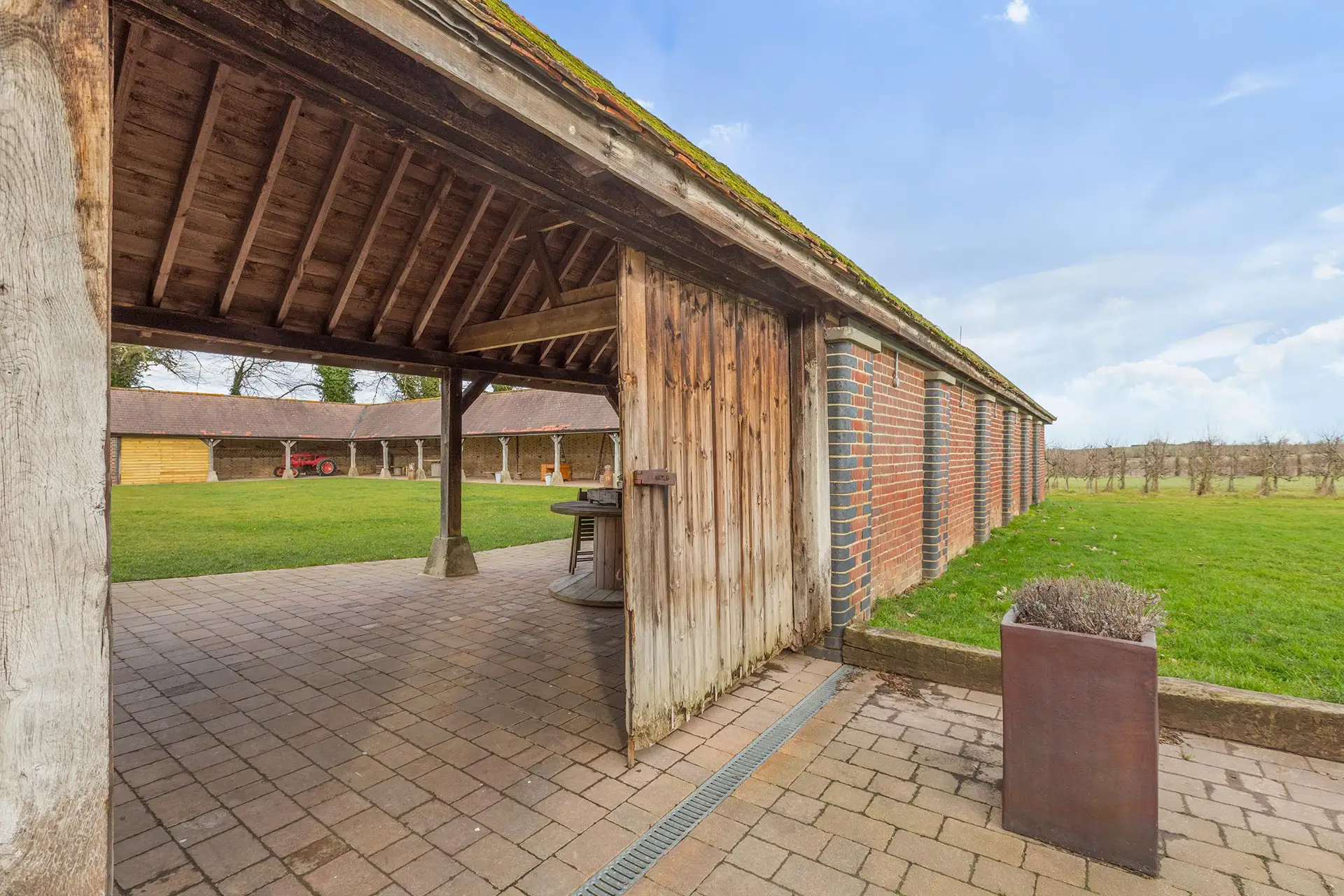
Selling A Listed Building: Do's And Don'ts


Considerations When Selling A Listed Building
Selling a listed property is slightly more complicated than selling a conventional home. You need to gather more documents, such as all past listed building consents.
Moreover, establishing the value of a listed building is not straightforward. Each property is unique and holds historical significance, which makes it difficult to appraise.
Is It Difficult To Sell A Listed Building?
Selling a listed home is not necessarily difficult. There is a big market of buyers who dream of owning a historic home dripping with character and charm in the UK.
Finding the right buyer can take a little time, so to speed the process up, aim to keep your home in good shape. A well-maintained listed building is likely to sell faster.
In this article, Architectural Technologist James Clague shares his top tips for ensuring a smooth sale process.
1) Don’t: Neglect Regular Maintenance
Listed buildings require regular maintenance and repair due to their age and the nature of the materials and techniques used to build them. If maintenance is neglected, the building might become damaged and lose part of its historic fabric, potentially putting buyers off and losing value.
Dampness is the leading cause of damage to historic properties. Moisture can weaken the building’s structure, making it more susceptible to damage and collapse. Moreover, dampness can cause decay and surface damage, such as peeling paint.
Here are James' tips to keep your listed building in good condition:
- Keep the building dry and free of dampness. Open windows and doors a couple of times a day, throughout the year, to create ventilation.
- Check roofs, guttering, drainpipes, and chimneys regularly. Look for and repair any leaks as soon as you can.
- Inspect lead work around sash windows, chimneys, and roof junctions. Lead flashing failure is the largest contributor to dampness.
- Restore windows and doors as soon as they show signs of decay. This will help preserve them as best as possible.
If your home needs repairs, carry them out before putting it on the market. Otherwise, the planning authority, or Historic England, might serve you a repairs notice while you’re in the process of selling. This might hinder or delay the sale.
James recommends establishing an ongoing relationship with an architectural practice early on in your ownership so they can help you manage maintenance and work on future applications.
2) Do: Ensure No Illegal Work Has Been Carried Out
Before you can put your house on the market, you should ensure no illegal work has been carried out on the property. This includes any work arranged or completed by previous owners.
Unauthorised demolition, alteration, or extension work can dampen your property’s appeal and lead to legal trouble.
As the current owner, you are responsible for rectifying any illegal work, even if you were unaware of it.
For any unauthorised work, you will need to apply for retrospective permission. The Local Planning Authority will grant permission only if the techniques and materials comply with their requirements.
Often, the LPA requests minor tweaks. However, sometimes, they demand you restore the building to its original state.
Applying for retrospective permission and carrying out remedial works is time-consuming. Therefore, you should make checking for illegal work a priority.
3) Don’t: Gather The Documentation At The Last Minute
As mentioned, you need to prepare a long list of documents to sell a listed property. Do not leave this task until the last minute; gathering all the necessary paperwork can take some time.
Here is a list of the documents you will need to gather:
- Listing description. This outlines the architectural and historical elements that contributed to your property's designation. It is available from Historic England’s online database and offers plentiful information about the building’s value. A specialist valuer will likely request this.
- Listed building consents for all demolition, alteration, or extension works, including those preceding your ownership.
- Building regulations consents back-dated for 10 years for all alterations.
- Planning permissions for the erection of any developments on the grounds, such as a garage, patio, or fence.
- Professional consultants certificates and latent defects warranties covering the workmanship and materials used in construction projects.
- General Binding Rules certificate, in case your home has private drainage.
- Any additional heritage reports or architectural analyses in your possession.
Remember to gather other standard documents, such as the Energy Performance Certificate (EPC), Property Information Form, and Fittings and Contents Form.
When you’re ready to list your home, complete a TA6 form and attach the supporting documents above to evidence your statements.
4) Do: Clean The Listed Building
Before putting your listed property on the market, it is a good idea to carry out specialist façade and stone cleaning to remove any dirt build-up and staining. This can reveal areas of dampness or structural failure, which you must repair before selling.
While it might be tempting to hope these issues go unnoticed by a potential buyer, a surveyor will identify them before they make an offer. It is best to find out about them and resolve them in advance.
5) Do: Seek Professional Help To Set The Asking Price
Establishing a realistic value for listed buildings is not easy, as each property is unique, rich in historical significance, and imbued with character.
Your home needs to be assessed for:
- Its historical value;
- The cost of any upcoming maintenance;
- The level of restrictions on alterations, demolition, and extension;
- The demand for listed properties in your local market and region.
James recommends hiring a specialist valuer to set the asking price. These professionals know the market for historic properties inside and out. Provide them with a heritage appraisal to help them set an accurate price.
6) Do: Renew Your Specialist Insurance
Before you sell your listed building, you should renew - or even upgrade - your specialist home insurance policy. This will cover any structural issues that might arise during the survey and sales process.
James’ top tip here is always to over-insure. You will not regret it.
7) Don’t: Go For A Direct Sale
Even if you know a prospective buyer, it is best to hire a specialist estate agent and solicitor to take control of the complicated process of selling a listed property. They will be able to help you understand tax implications, review all documentation, and much more.
Another option is to sell to a property-buying firm, which can handle the process and mediate between parties if problems arise.
At James Clague Architects, we have successfully assisted countless listed building owners in preparing their properties for sale. We can create a detailed heritage appraisal to help your valuer establish a realistic asking price. We can also assist with retrospective permissions, remedial work, as well as regular and extraordinary maintenance.
James heads the James Clague Canterbury and Tunbridge Wells offices, covering Kent, Sussex, Surrey, and the South East. Contact him here or call 01227 649073 to arrange an initial conversation.
Frequently Asked Questions About Selling A Listed Building
Can you sell a listed building with unauthorised work?
Yes, but it can make the sale more difficult. Buyers may be put off, and you may need retrospective listed building consent or remedial work before the sale can go ahead smoothly.
Does selling a listed building take longer?
Sometimes. Missing paperwork, unauthorised work, or extra surveys can all delay the sale. Having your documents ready before you market the property can help.
Can you get a mortgage on a listed building?
Yes. Most lenders will offer mortgages on listed buildings, although they may ask for more information about the property’s condition or maintenance history.
Do buyers need to know a property is listed?
Yes. Buyers should be told that the property is listed so they understand the restrictions and responsibilities that come with owning it.
Quick Answers
Is it hard to sell a listed building?
Not necessarily. Many buyers are looking for listed buildings because of their character and history. Keeping the property well maintained and having the right paperwork ready can make the process easier.
Do you need a specialist estate agent?
No, but it is often a good idea. An estate agent with experience of listed buildings will understand the market and the extra considerations involved.
What documents do you need to sell a listed building?
Along with the standard conveyancing documents, you should have copies of listed building consents, planning permissions, building regulations approvals where needed, and any heritage reports.
Does a listed building need an EPC?
Not always. Some listed buildings are exempt if meeting energy efficiency requirements would unacceptably alter their historic character.
We offer a free consultation to help assess what you're trying to achieve, how we can help and explain the process.
Is Renovating A Listed Building Worth It?
Listed Building Extension Ideas and Inspiration
Our team of specialist architects offer a completely free and no-obligation telephone consultation to discuss your project, explain the process and how we can help.