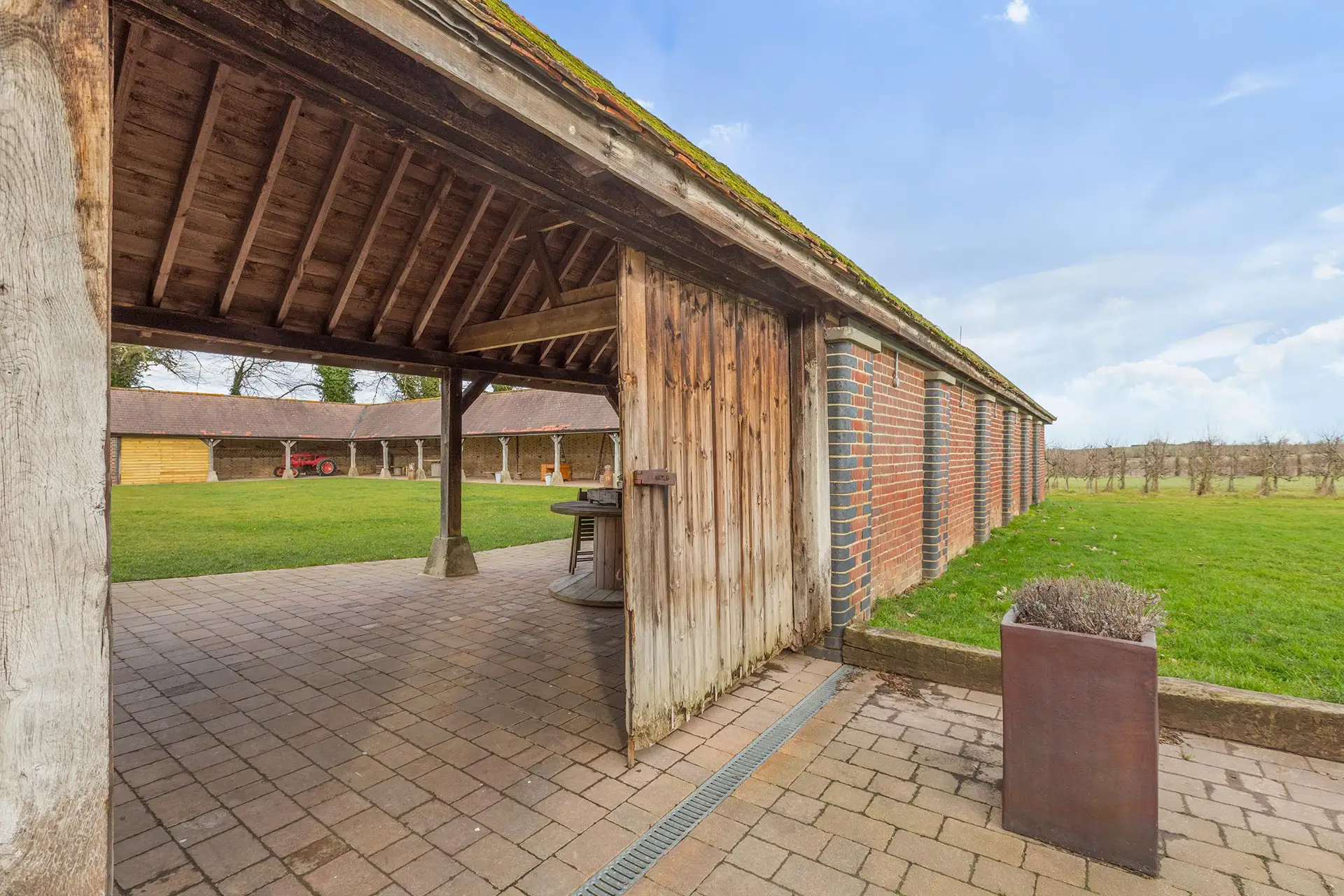
Is Renovating A Listed Building Worth It?

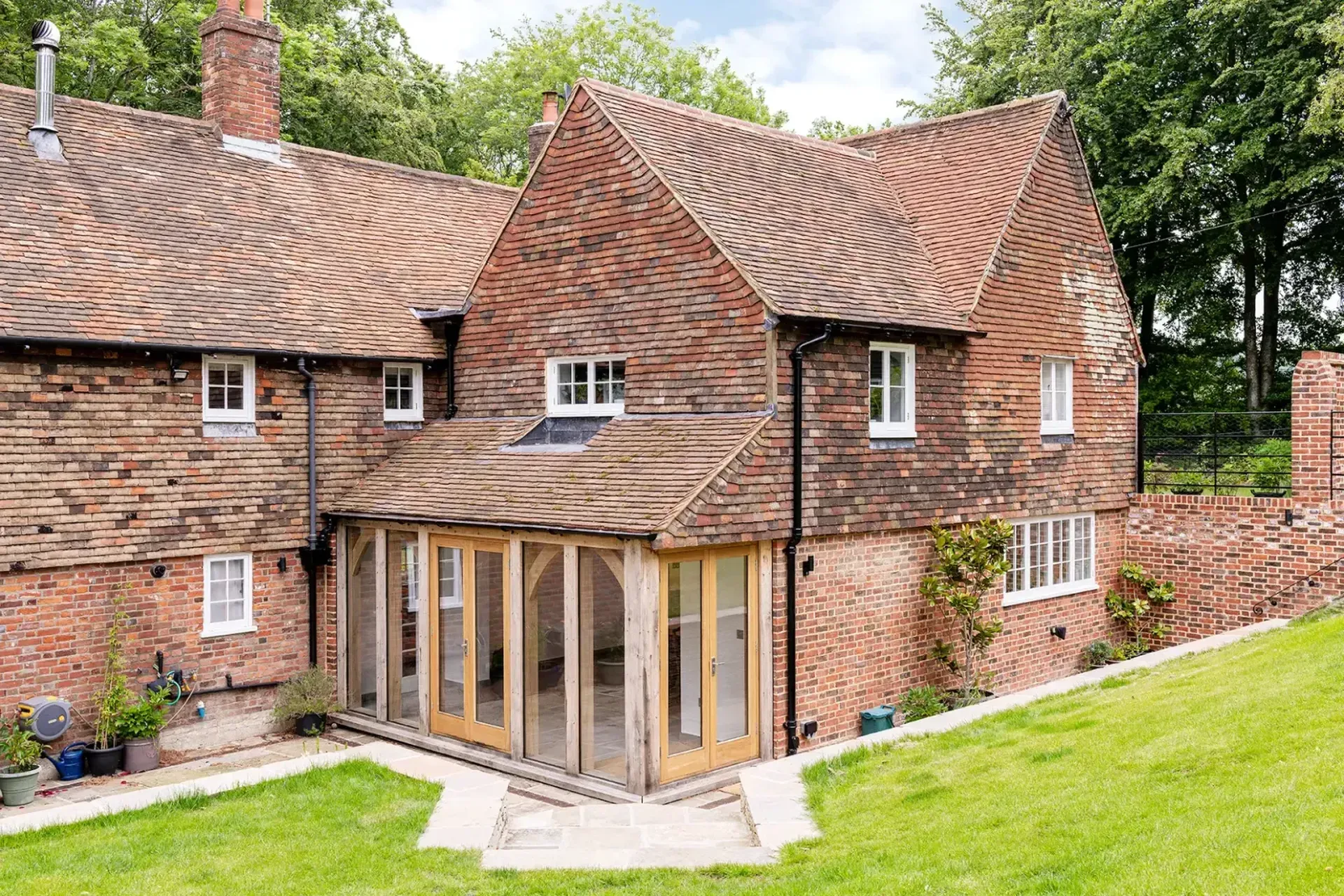
What Makes a Listed Building Worth Renovating?
Assessing whether a listed building is worth renovating depends on four things:
- The building’s condition
- Its historic significance
- Your budget
- And what you hope to achieve.
Many listed buildings have the potential to become exceptional homes. These typically have a sound structure, retain many of their original features, and can often accommodate modern living through carefully designed internal alterations or extensions.
Others come with more challenges because of their condition, historic significance, or the amount of work needed.
That’s why it’s important to understand the scope of the project before you commit.
Why Renovating a Listed Building Can Be a Worthwhile Investment
You’ll Own A Home Like No Other
Whether you’ve inherited a listed building or are thinking of buying one, you’ll own a home with character, history, and craftsmanship that sets it apart from most modern homes. There is something special about living in a home that is full of charm.
You Can Help Preserve An Important Building
Listed buildings are protected because they have special architectural or historic interest. By renovating one, you are helping to keep an important part of our built heritage alive for future generations.
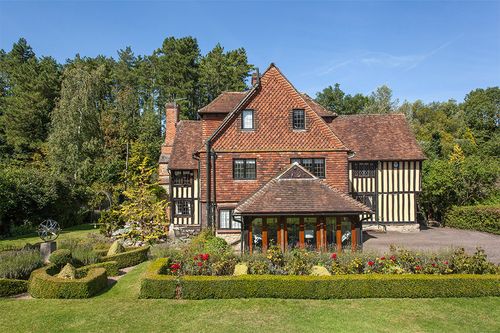
You Can Reduce Your Environmental Impact
Renovating a listed building is often more sustainable than building a new house. By reusing much of the existing structure, you can reduce construction waste and make the most of the carbon already stored in the building.
A Good Renovation Can Make It Better Suited To Modern Living
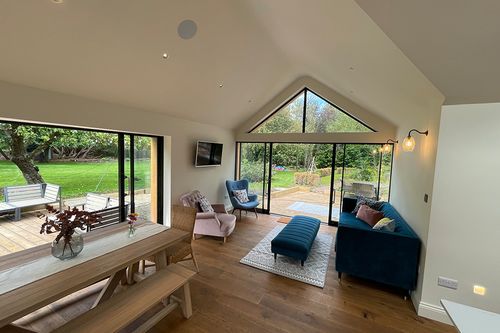
A thoughtful renovation can make a listed building work better for modern life. Depending on the property, this could include improving the layout, adding one or more extensions, upgrading kitchens and bathrooms, or bringing more natural light inside.
It Can Protect The Property’s Long-Term Value
People are drawn to listed buildings because they are unique and full of history. A sympathetic renovation can make the home more comfortable and practical to live in, increase its appeal to future buyers, and keep it in good condition for years to come.
How to Decide Whether Your Listed Building Is Worth the Investment
Before committing to renovating a listed building, it’s worth asking yourself a few questions.
Is the Building in Good Condition?
The better the building’s condition, the more straightforward the renovation is likely to be.
Start by looking for obvious signs of deterioration, such as cracked walls, damp patches, missing roof tiles, rotten timber, or windows and doors in poor condition. These don’t always mean there is a serious problem, but they are worth investigating.
Before making any decisions, arrange a specialist survey. It can identify structural issues, hidden defects, and poor-quality repairs that could affect the scope and cost of the renovation.
How Significant Are Its Historic Features?
Understanding what makes the building special is key. The more significant its historic fabric, the more carefully you’ll need to design the renovation.
Start by reading the building’s listing on the National Heritage List for England. This will help you understand why the building was listed and what makes it special. However, many list descriptions are not exhaustive, and just because something is not mentioned does not mean it is not significant.
Original windows, doors, fireplaces, staircases, roof timbers, flooring, decorative details, and original layouts, which provide an understanding of former uses, are often among the features planning officers will be most keen to protect.
Do You Have a Realistic Budget?
Before you commit, make a list of everything the project is likely to involve.
Remember to include:
- Architect and specialist consultant fees
- Surveys
- Listed building consent and planning application fees
- Specialist contractors
- Traditional materials
- A contingency for unexpected repairs.
An early cost estimate can help you decide whether the renovation is financially realistic before you invest too much time and money.
Does The Renovation Support Your Long-Term Plans?
Think about how long you plan to own the property and what you want to achieve. Are you creating your forever home, preserving a family property, or hoping to sell in a few years?
Renovating a listed building often makes the most sense when you plan to enjoy the property for many years.
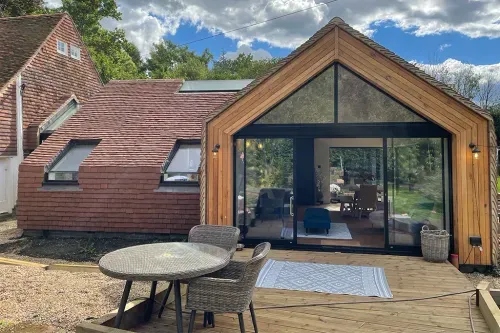
Get Professional Advice
If you’re seriously considering the project, speak to a heritage specialist before you buy the property or commission detailed designs.
They can assess the building, explain what the Local Planning Authority is likely to approve, identify potential challenges, and give you a realistic understanding of the work involved.
When a Listed Building Renovation Might Not Be Right for You
Renovating a listed building can be incredibly rewarding, but it’s not the right choice for everyone.
The following points can help you decide whether the project is right for you.
Your Expectations Don’t Match The Project
Listed building renovations often involve compromise. While many can be transformed into comfortable modern homes, it is essential to work with the building rather than against it. Being open to different design solutions often helps create a proposal that’s more likely to gain approval.
Your Budget Doesn’t Match the Project
Some listed buildings need very little work, while others require more. That means higher costs. If your budget is tight, you may need to rethink the project’s scope or complete the renovation in stages.
You’re Looking for a Quick Return
Gaining consent, designing the project, and carrying out the work take time, often a year or more. If you’re hoping to renovate and sell within a few months, you may need to adjust your expectations.
What to Expect When Renovating a Listed Building
A listed building project is different from renovating a modern home, but with the right professional advice, careful planning, and realistic expectations, you’ll be much better prepared.
Here are a few things to keep in mind before you get started.
You Will Need Professional Advice and Surveys
Every listed building is different. Before work begins, it is worth understanding the building’s condition, historic significance, and any constraints that could influence the design.
Getting the right advice and surveys early helps you understand what is involved and avoid unnecessary delays later in the project.
You Will Need To Hire Specialist Contractors
Listed buildings often require traditional construction techniques and specialist skills. Choosing contractors experienced in heritage projects helps ensure repairs and alterations are carried out to a high standard while respecting the building’s character.
You Will Have To Use Traditional Materials
Many repairs require materials that are compatible with the original building, such as lime mortar, traditional timber, or handmade bricks. While these can sometimes cost more than modern alternatives, they are often the best way to protect the building’s historic fabric and ensure repairs last for many years.
There Might Be Some Unexpected Discoveries
Even with thorough surveys, it is not unusual to uncover poor-quality repairs or concealed defects once work begins. It is a good idea to leave some flexibility in your budget and programme.
How James Clague Architects Can Help
At James Clague Architects, we assess listed buildings and provide clear, practical advice before you begin your listed building renovation. Our heritage specialist, Tracy Perry, can identify potential challenges, explain the relevant planning constraints, and help you develop a realistic plan before you invest significant time and money.
Whether you are considering buying a listed property or already own one, we can help you make an informed decision and, if you decide to proceed, guide you through every stage of the renovation.
Book an initial consultation with Heritage Architect Tracy Perry today to discuss your project, or call 01227 649073.
Frequently Asked Questions
Will renovating a listed building add value?
It can. A well-designed renovation can make a listed building more desirable, but the increase in value depends on the property’s location, condition, and the quality of the work.
How do you know if a listed building is beyond repair?
Most listed buildings can be repaired. A specialist survey is the best way to understand the building’s condition and whether the renovation is likely to be worthwhile.
Can you renovate a listed building yourself?
You may be able to carry out some minor work yourself, but many repairs and alterations require specialist skills and listed building consent.
Should I get a survey before renovating a listed building?
Yes. A survey can identify structural issues, damp, timber decay, and previous unsuitable repairs before you commit to the project.
Is a Grade II listed building worth renovating?
Many are. It depends on the building’s condition, historic significance, your budget, and what you want to achieve.
Quick Answers
Is renovating a listed building expensive?
It can be. Costs depend on the building’s condition and the type of work involved.
How long does it take to renovate a listed building?
It depends on the size of the project, how much work the building needs, and whether consent is required.
Can every listed building be renovated?
Most can, although some require much more work than others. A specialist can help you understand what’s possible.
Do I need listed building consent to renovate a listed building?
Yes, most listed building renovations require listed building consent because they involve work that affects the building’s character or historic fabric. A specialist can advise what approvals your project is likely to need.
We offer a free consultation to help assess what you're trying to achieve, how we can help and explain the process.
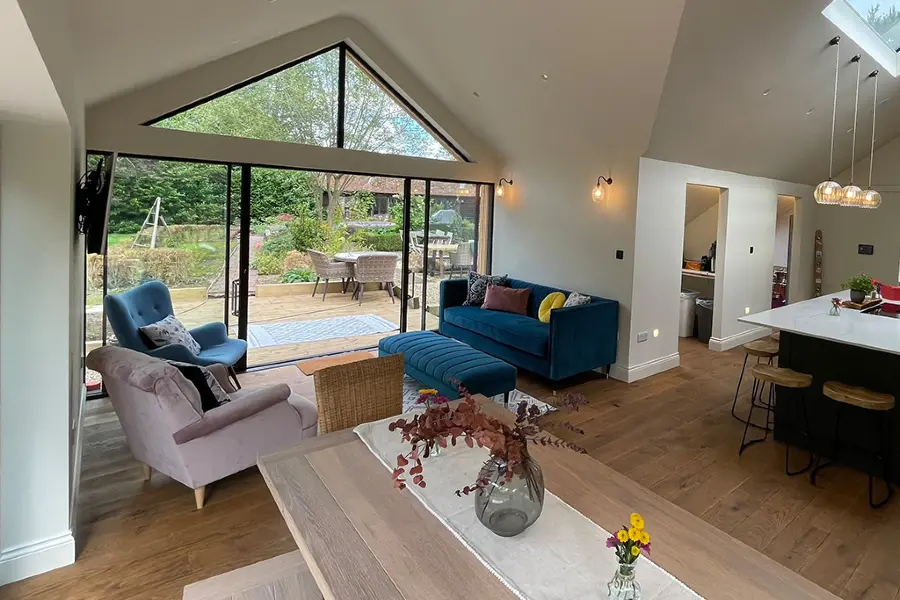
Listed Building Extension Ideas and Inspiration
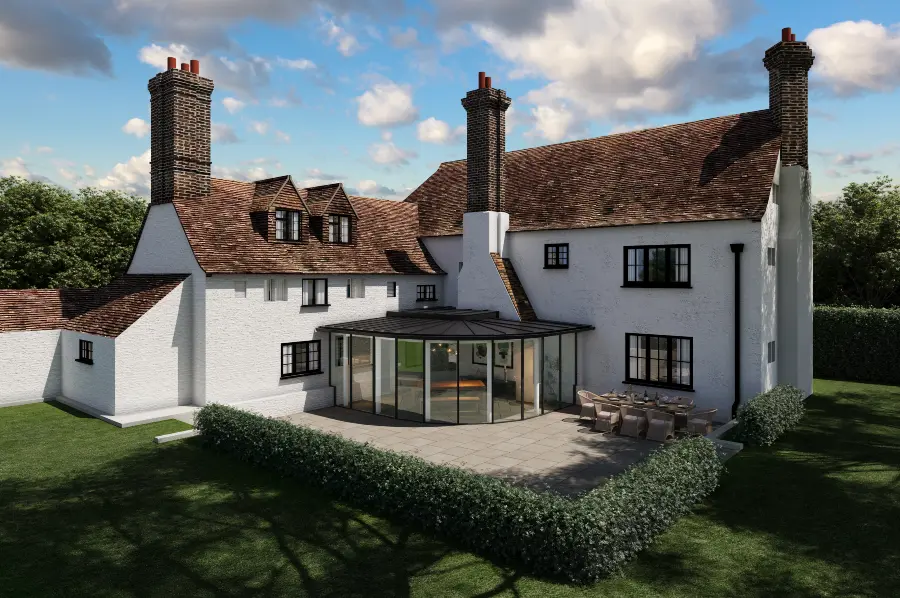
How To Add A Glass Extension To A Grade II Listed Building
Our team of specialist architects offer a completely free and no-obligation telephone consultation to discuss your project, explain the process and how we can help.