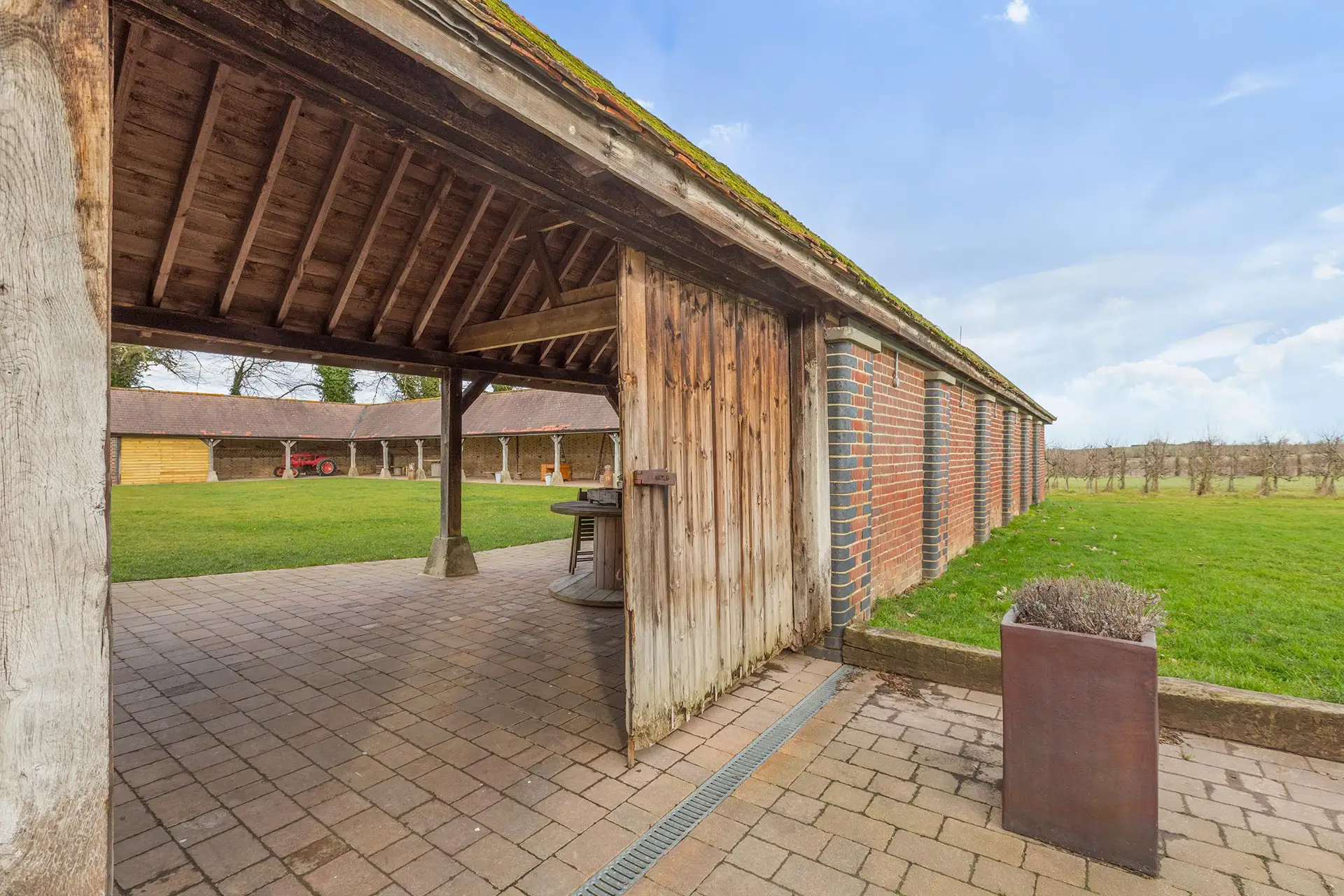
How To Improve Energy Efficiency In Historic Buildings

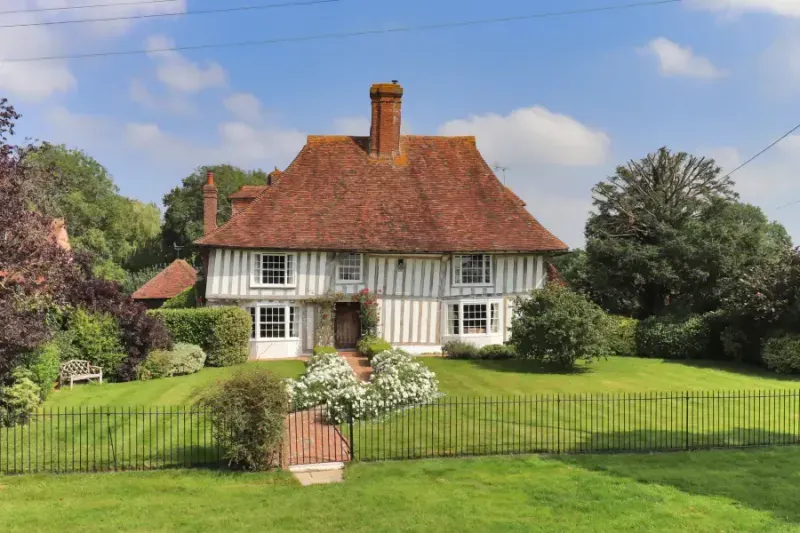
Energy Efficiency And Historic Buildings
It's often possible to improve the energy efficiency of a listed building without harming its historic character.
With climate change worsening year after year, improving the energy efficiency in historic buildings is crucial. In England alone, there are over 370,000 listed buildings. Reducing their carbon emissions can have an impact on Britain’s carbon footprint.
The good news is that many traditional buildings, such as Georgian, Victorian, Edwardian, and oak-framed structures, are well constructed and sound. For this reason, it’s relatively simple to upgrade their thermal performance.
However, listed buildings are protected under British law, as they are of special architectural or historic interest. This means Local Planning Authorities can limit energy efficiency interventions because of loss of original fabric.
At James Clague Architects, we take a realistic approach to efficiency and historic buildings. James Clague explains that when it comes to improving the energy efficiency in historic buildings, the owner and Conservation Officer need to come to an agreement that maximises efficiency and minimises fabric loss. He also points out that different boroughs often take different approaches, and decisions are always made on a case-by-case basis, so seeking a specialist’s advice is critical.
In this article, James shares the best ways to upgrade a listed building’s energy performance to lower carbon emissions, reduce running costs and bills, and increase climate resilience.
The Whole Building Approach
There are many ways to improve energy efficiency in historic buildings, such as adding wall insulation and upgrading windows and doors. However, before we discuss these in detail, it’s important to highlight that these interventions need to be coordinated, as well-intentioned, inapt changes can worsen thermal performance and create new issues, such as wet rot.
For example, adding double glazing or unsuitable sealant to windows without seeking a specialist’s advice or gaining permission can cause issues with breathability, leading to condensation and mould growth. James has worked on a site where the owner had replaced roof tiles with concrete without gaining listed building consent, hoping to prevent water infiltration. Unfortunately, the roof became too heavy and sagged.
According to Historic England, “The whole building approach is a systematic process for devising and implementing suitable, coordinated, balanced, and well-integrated solutions.“ This approach involves considering the building and its context, its current thermal performance, and the occupants' needs before looking for solutions.
The whole building approach entails reducing emissions (mitigation) and adapting to the changing climate (adaptation). A combination of mitigation and adaptation interventions can have a cumulative effect. For example, adding secondary glazing, installing insulation around water tanks and ducts, and reducing energy consumption can make a big difference.

The Five Stages Of The Whole Building Approach
Below are the five stages of the approach.
- Gather data and surveys: collect information and professional surveys and assessments on the building’s heritage, performance, construction, whole-life carbon, and environmental impact, and more.
- Assess and plan: choose a solution based on the data you collected, a risk-based assessment, and a cost-benefit analysis.
- Design and specify: consult specialist architects to design considered plans and apply for the necessary permissions.
- Procure and install: hire specialists to carry out the work.
- Use, evaluate, and maintain: owners and occupants need to understand how they can help maximise the upgrades and maintain them.
All thermal upgrading interventions need to avoid harming the listed building’s significance, minimise the risk of damaging or inadvertent consequences, improve climate resilience, and be cost-efficient. For more information on the whole building approach, read Historic England’s advice here.
The best way to apply the whole building approach, according to James, is to use it as part of a listed building renovation scheme. An alternative is integrating a thermal upgrading package into other works, such as listed building maintenance or extension, to save on costs.
How Do You Make Listed Buildings More Energy-efficient?
There are many ways to upgrade the energy performance of a listed building. Some are quick and easily implementable wins; others are bigger, more costly interventions.
In many cases, you will need to apply for listed building consent, so seek the advice of a specialist architect and the Local Planning Authority before you do any work.
Reduce Energy Use
The first step to improving your building’s carbon footprint is to reduce energy use. This doesn’t mean lowering the temperature and buying wool blankets. Modern technology, such as time controls, humidity sensors, and light motion sensors, allow you to operate devices, such as heaters and lamps, only when needed.
By installing smart thermostats and radiator valves, you can set a heating schedule in different areas of the building. For example, you can heat the living room between 5pm and 10pm Monday to Friday and keep it nice and warm all day at the weekend. Think about installing smart technology when you upgrade your boiler.
James has another quick win to share for reducing energy use. Add removable rubber seals around doors to block or reduce draughts. This is a quick and easy intervention, as it’s reversible.
Carry Out Prompt Listed Building Maintenance And Repairs
Keeping on top of listed building maintenance and repairs is fundamental to maximising the building’s energy efficiency. For example, promptly fixing damaged gutters and tiles can stop water ingress and prevent mould growth.
Bear in mind that if you find cracks in the walls, you should seek the advice of a structural engineer before you fill it. Once they’ve concluded the damage isn’t structural, you can repair the cracks with breathable putty. The engineer can recommend a suitable product so you can apply it DIY.
Improve Services
All services should use as little energy as possible to maximise the building's efficiency. Before undertaking any significant interventions, you should:
- Insulate the water heater as well as its tanks and pipes
- Seal and insulate all ductwork.
Finally, perform annual servicing to ensure the systems run smoothly.

Upgrade Insulation
In some cases, installing insulation in the walls, floor, and roof can improve the energy performance of a listed building.
A specialist architect needs to devise the plan’s design and specification, as inappropriate materials can cause issues such as condensation, mould growth, and rot. These can lead to fabric loss and health issues for the occupants.
Different walls and roofs require different approaches. For example, timber-framed walls can be insulated using wood board batts made of cork, while solid walls benefit from Thermafleece lamb’s wool internal insulation.
For more information on how to replace wall insulation in listed buildings, take a look at this article.
Can You Insulate A Grade 2 Listed Building?
Yes, you can add insulation to a Grade II listed building. In many cases, a well-thought-out scheme that minimises fabric loss will gain listed building consent.
Ensure you hire a specialist architect who can create a careful design and specify good detailing and suitable materials.
At No.1 The Chain, a Grade II Listed building in Sandwich, we installed insulation and gas central heating to improve the home’s thermal performance. Among other things, our scheme included converting and expanding a stable block.
Replace The Heating System
Another way to improve the energy efficiency of a listed building is to replace the heating system with a low-carbon one. Gaining listed building consent to replace an old heating system is relatively easy, especially if you choose a boiler. That’s because heating a listed building effectively helps increase its lifespan.

Can You Put Underfloor Heating In A Listed Building?
In some cases, yes. If the floors aren’t historical, you can apply for permission to install underfloor heating. If the floors are historical, you will need to submit an application, which includes reusing the original timbers and stones.
Can You Install A Heat Pump In A Listed Building?
In some cases, yes. However, gaining consent can be more challenging than for other energy-efficiency upgrades because the external unit may affect the building’s character. A modern boiler may be a more straightforward option in some listed buildings.
Before replacing the heating system, carry out a building survey to establish where the existing service routes are. You will need to reuse these, if you can, to minimise fabric loss.
Alternatively, you can create hidden routes behind historical fittings or direct pipes and cables through gaps under floors or above ceilings. If you can’t avoid chasing into the fabric, Historic England recommends creating common routes for as many services as possible through the new openings.
Upgrade Windows
Upgrading windows can significantly impact energy efficiency, as modern windows help a building stay warmer in the winter and cooler in the summer, reducing its energy demand.
In most cases, you can add secondary glazing to original historic windows to help reduce heat loss, draughts, and noise. Installing secondary glazing means using a timber frame to add a second window internally. This solution is reversible and doesn’t damage the structure’s original fabric, so most Local Planning Authorities approve it. When adding secondary glazing to listed buildings, it’s important you don’t draught-proof the original window to allow ventilation and prevent condensation and mould.
Can You Put Double Glazing In A Grade 2 Listed Building?
Usually, no. Approval for double glazing in a Grade II listed building can be difficult to obtain.
However, in James' experience, some Local Planning Authorities allow the installation of slim-line double glazing, which is more effective than secondary glazing in some cases. James has gained approval to install slim-line double glazing on the sides and back of a building where the original windows couldn’t be salvaged and needed to be replaced. So it’s always worth seeking an expert’s advice before planning any work.
Improve And Repair Doors
Historic doors can be a significant source of heat loss, as they tend to develop cracks. Moreover, the base of doors is vulnerable to wet rot, which leads to decay. Repairing doors timely helps prevent and stop draughts.
The repair approach will depend on the door’s significance, construction, and level of decay. Common repair techniques include applying epoxy resin to the cracks and using carpentry techniques to rebuild the base. Remember that the repairs will likely expand and contract at different rates to the rest of the door, potentially creating additional cracks. So, monitoring and maintenance of the repairs themselves is essential.

Reducing Chimneys’ And Flues’ Draughts
Open chimneys and flues often let too much cold air in and too much warm air out of a building. This can severely affect the building’s energy performance.
Can You Remove A Fireplace From A Listed Building?
In most cases, no. Fireplaces and chimneys are often significant historic features, so Local Planning Authorities are unlikely to support their removal.
There are multiple ways to reduce draughts and prevent water ingress from chimneys and flues. Sometimes, you can install a ventilated cap or a flue balloon. Other times, you will need to implement a more complicated intervention. A specialist can devise a suitable solution based on the building’s construction, thermal mass, and more. However small the intervention you opt for, you will need to apply for listed building consent.
Can You Add A Log Burner To A Listed Building’s Fireplace Or Inglenook?
Yes, in most cases, the Local Planning Authority will allow you to install a log burner, as it’s a reversible intervention and much more efficient than a fireplace.
Install Zero-emission Tech
Once you’ve implemented all the relevant changes mentioned above and the building’s energy demands have lowered, you can install zero-emission tech, such as solar panels, solar-assisted heat pumps, and EV chargers.
Before considering this option, you should consult a specialist to establish if zero-emission tech can help improve the energy efficiency of your building. For example, if you can only install solar panels on a rear North-facing roof slope where they aren’t visible from the street, it won’t help much.
As always, the tech will need to be installed without harming the building’s original fabric. For example, if you’d like to install an EV charger, you will likely need to add it onto a carport or on the other side of your drive, away from the main building.
In No. 1, The Green’s plan, we included solar slates. These are discreet solar panels that look like natural slate. They generate solar electricity while integrating within the historic building’s setting - a conservation area.
If you’d like to learn more about installing solar panels on a listed building, read this article.
How James Clague Can Help You Improve The Energy Efficiency Of Your Listed Building
At James Clague Architects, we can help you throughout the whole process:
- From carrying out heritage impact assessments, cost-benefit analyses, and risk-based assessments,
- Coordinating with surveyors and other specialists,
- Producing a thermal upgrading package in line with the Local Planning Authority’s requirements,
- And securing listed building consent,
- To ensuring the works are carried out in accordance with approvals.
For example, at Smockham Farmhouse, a Grade II listed farmhouse in Tunbridge Wells, we gained approval for a renovation scheme that contributes to improving the building’s energy efficiency. The thermal upgrade package includes new insulation, window replacement, roof covering upgrades, and heat pump installation. Some windows at Smockham could not be salvaged. We gained approval for like-for-like replacements with secondary glazing to the front windows - as they are visible from the street - and matching frames with slimline double-glazing on the rear and side.
At James Clague Architects, we take a realistic approach to improving the energy efficiency of a historic building. We’re familiar with many Local Planning Authorities’ requirements, so we can create a well-thought-out package that’s likely to be approved, like the one at Smockham.
James Clague, Managing Director of James Clague Architects, specialises in heritage projects and listed buildings, including sensitive energy-efficiency upgrades. He works with clients across Kent, Sussex, Surrey, and the South East. To discuss your project, book an initial consultation here or call 01227 649073.
Frequently Asked Questions About Improving Energy Efficiency In Historic Buildings
Can you improve a listed building’s EPC rating?
Yes. Measures such as secondary glazing, insulation, heating upgrades, and better controls can improve a listed building’s energy performance. However, improvements need to be balanced against the protection of historic fabric.
What is the best way to improve energy efficiency in a listed building?
The most effective approach is to follow the whole building approach. This considers the building’s construction, condition, significance, and energy use before selecting appropriate interventions.
Can you make an old house more energy efficient without damaging it?
In many cases, yes. Improvements such as secondary glazing, draught-proofing, insulation, and heating upgrades can often be introduced without harming the building’s historic character.
Quick Answers
Can you insulate a Grade II listed building?
Yes. In many cases, insulation can be added if the proposal minimises fabric loss and gains listed building consent.
Can you put underfloor heating in a listed building?
Sometimes. If historic floors are affected, the proposal will need to demonstrate how original materials will be retained and reused.
Can you install a heat pump in a listed building?
Sometimes. Approval depends on the impact of the external unit and the building’s significance.
Can you put double glazing in a Grade II listed building?
Usually not. However, some Local Planning Authorities will approve slim-line double glazing in specific circumstances.
Can you remove a fireplace from a listed building?
Usually not. Fireplaces and chimneys are often important historic features and are unlikely to be approved for removal.
Can you add a log burner to a listed building fireplace?
In most cases, yes. Log burners are generally considered a reversible and energy-efficient upgrade.
Do you need listed building consent to improve energy efficiency?
Often, yes. Measures that affect the building’s character or historic fabric typically require listed building consent. Always seek professional advice before carrying out work.
We offer a free consultation to help assess what you're trying to achieve, how we can help and explain the process.
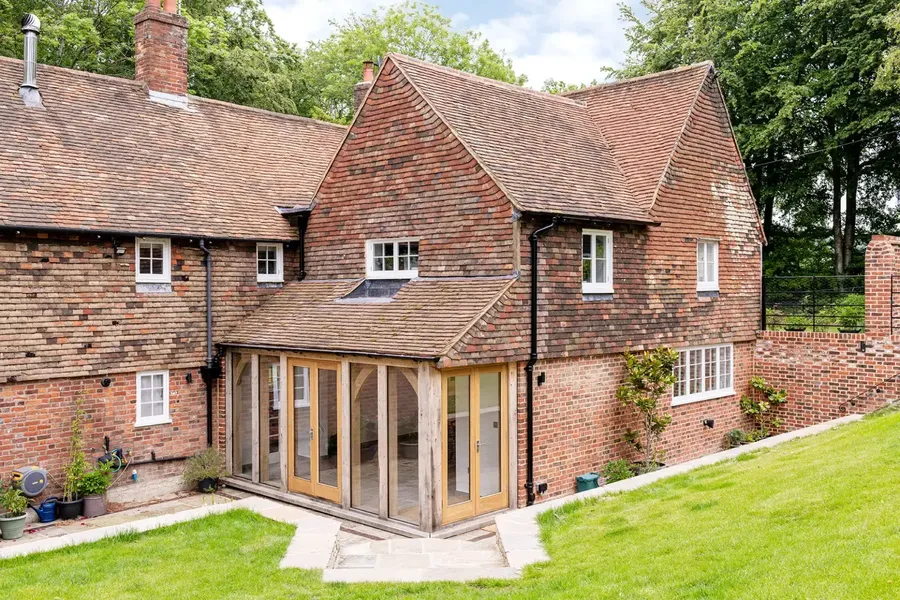
Is Renovating A Listed Building Worth It?
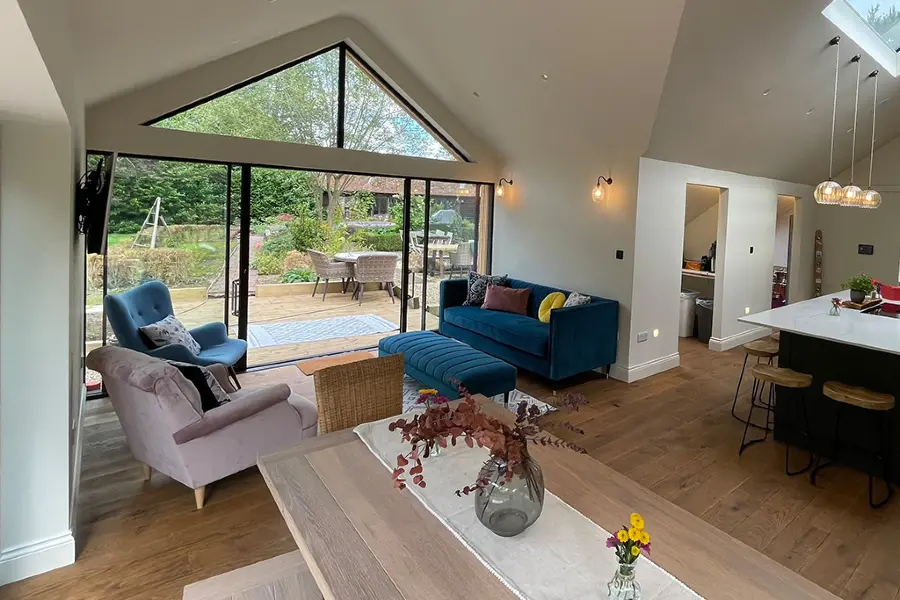
Listed Building Extension Ideas and Inspiration
Our team of specialist architects offer a completely free and no-obligation telephone consultation to discuss your project, explain the process and how we can help.